Recovery Rooms Are Booming: How to Design One That Works for Your Clients and Your Business 🧘 ✨
Wellness Has Changed — And Recovery Is Leading the Way
The wellness industry has evolved well beyond traditional fitness.
Today, clients expect more than just a place to train — they’re looking for spaces that support performance, recovery, and overall wellbeing.
That shift has driven a surge in demand for recovery rooms across gyms, fitness studios, and wellness facilities. What was once considered a premium add-on is quickly becoming a core part of the modern fitness experience.
For business owners, this presents a clear opportunity: create a recovery space that not only delivers results for clients, but also strengthens your brand, increases retention, and unlocks new revenue.
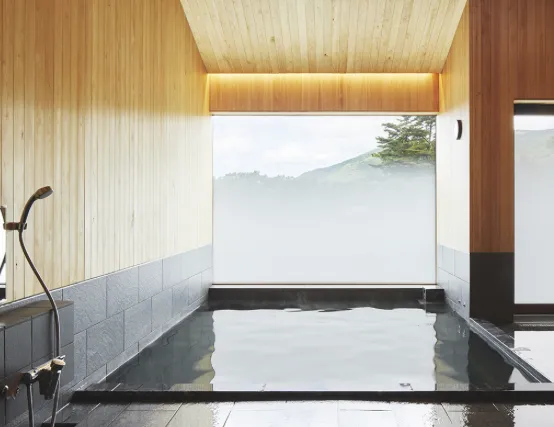
Why Recovery Rooms Are on the Rise
Recovery is no longer reserved for elite athletes. It’s now a mainstream expectation, driven by increased awareness, lifestyle trends, and a stronger focus on long-term health.
Clients are actively seeking out recovery solutions that help them feel and perform better, including:
💪 Reduced muscle soreness
Recovery tools like ice baths and saunas help manage post-workout fatigue, making training more sustainable and enjoyable.
🏋️ Faster recovery times
With structured recovery, clients can return to training sooner — a major benefit for both casual users and high-performance athletes.
😌 Improved circulation and overall health
Heat and cold exposure can support blood flow and general wellness, which appeals to a broad audience beyond just fitness enthusiasts.
🌿 Mental reset and stress reduction
Recovery spaces are increasingly used as a way to unwind, disconnect, and recharge — not just physically, but mentally.
At the same time, the visibility of recovery practices across social media, elite sport, and wellness culture has made features like ice baths and infrared saunas highly desirable.
👉 For facilities, this demand translates directly into opportunity.
What Makes a Great Recovery Room?
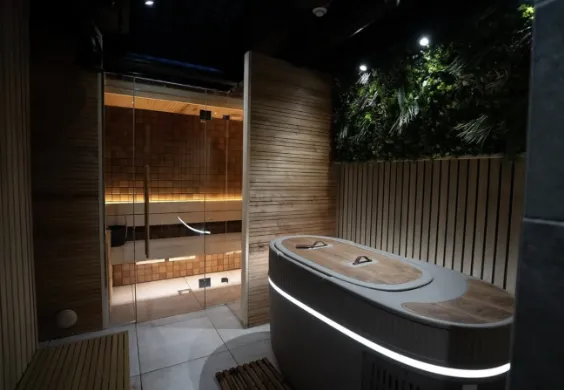
01. Hot and Cold Therapy Integration
A successful recovery room is more than a collection of equipment. It’s a carefully designed environment that balances function, flow, durability, and experience. At the heart of most recovery spaces is contrast therapy — the use of heat and cold to stimulate circulation and support recovery.
This typically includes:
🧊 Ice baths or cold plunge pools
These are often the centrepiece of the space, attracting users looking for performance and recovery benefits.
🔥Traditional or infrared saunas
Heat exposure helps relax muscles, improve circulation, and create a sense of calm.
👉 The key isn’t just having both — it’s how they’re positioned.
Users should be able to move easily between hot and cold zones in a natural sequence. Poor placement can disrupt the experience, while thoughtful layout encourages proper use and repeat engagement.
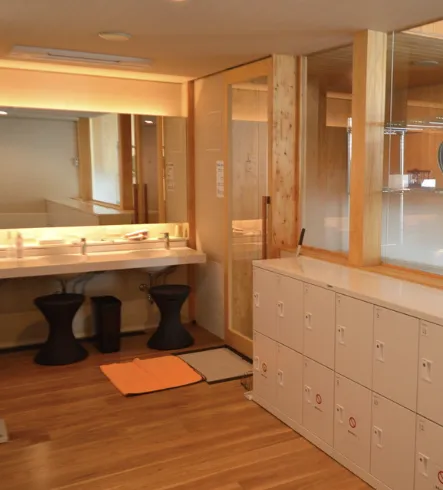
02. Infrared Sauna Design
Infrared saunas have seen rapid growth due to their efficiency, accessibility, and perceived health benefits.
They are particularly well-suited to commercial fitouts because:
- They require less space than traditional saunas
- They typically operate at lower temperatures
- They can be easier to install in existing buildings
However, they still require careful planning.
Key considerations include:
Ventilation and airflow
Proper air circulation is essential for comfort and long-term performance.Power and electrical requirements
Early planning ensures seamless integration without costly upgrades later.Acoustic comfort and privacy
Users expect a quiet, relaxing environment — not one disrupted by surrounding activity.👉 When designed well, infrared saunas can deliver a premium experience even in compact spaces.
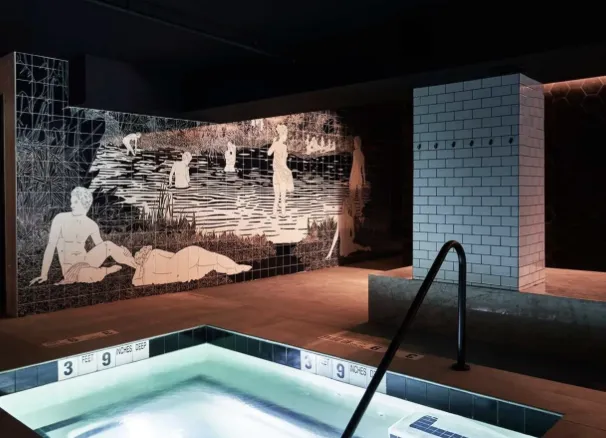
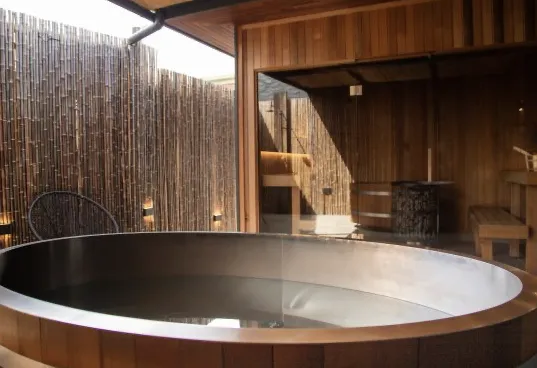
03. Ice Baths and Cold Plunge Areas
❄️ Cold therapy is often the biggest drawcard in a recovery room — but it also demands the most technical precision.
A well-designed ice bath area should include:
- Efficient drainage systems
To manage water flow and maintain hygiene standards.
- Slip-resistant flooring
Essential for safety in wet, high-traffic environments.
- Durable, water-resistant materials
Surfaces must withstand constant exposure to moisture and cleaning.
- Clear access for maintenance and cleaning
Ongoing upkeep is critical to user confidence and compliance.
👉 Beyond functionality, presentation matters. A clean, well-organised plunge area builds trust and encourages repeat use, while poor execution can quickly deter clients.
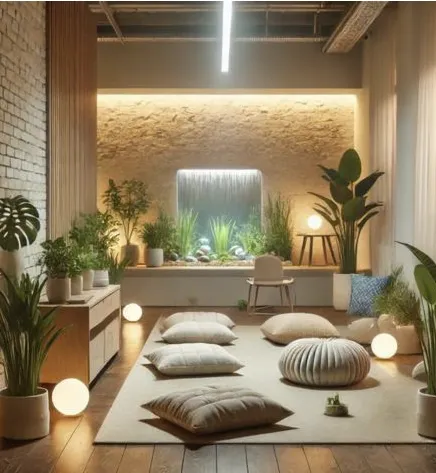
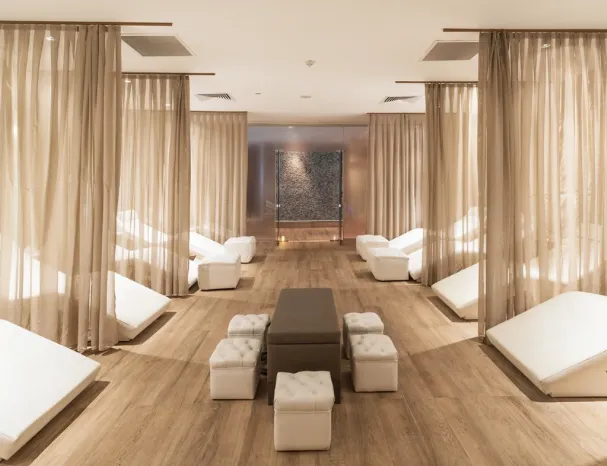
04. Dedicated Relaxation Zones
😌 Recovery is not just about physical treatment — it’s also about slowing down.
Including a dedicated relaxation area allows users to transition in and out of more intense therapies.
These spaces might feature:
- Comfortable seating or recliners
Encouraging users to stay longer and fully unwind.
- Soft, ambient lighting
Helping create a calm and inviting atmosphere.
- Natural materials and textures
Timber, stone, and warm finishes can elevate the overall feel.
- Reduced noise and distractions
Separating this zone from high-activity areas improves the experience.
👉 Relaxation zones also play a functional role by reducing congestion and improving overall flow within the space.
05. Smart Layout and User Flow
One of the most common — and costly — mistakes in recovery room design is poor layout. Even with premium features, a space will underperform if it feels confusing, cramped, or difficult to navigate.
A high-performing recovery room is intuitive. Users should be able to enter and immediately understand how to move through the space.
Key considerations include:
- Entry and exit points
The entry should clearly guide users into the space, while exits should allow for a smooth transition out — particularly for those moving between recovery and other areas of the facility.
In busy environments, separating entry and exit paths can help reduce congestion and improve overall flow.
- Wet vs dry zones
Clearly separating wet areas (ice baths, showers) from dry areas (saunas, relaxation zones) improves safety, cleanliness, and durability.
This zoning also helps users instinctively understand how to use the space.
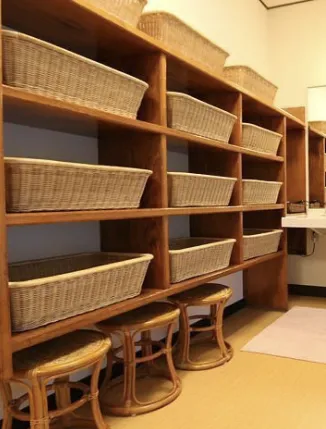
- Towel and storage access
Convenient access to towels, hooks, lockers, and hydration points keeps the space organised and clutter-free.
These small details have a big impact on the overall user experience.
- Clear movement between features
Recovery often involves moving between different elements — especially in contrast therapy.
Positioning related features close together with unobstructed pathways ensures the experience feels seamless.
- Capacity and circulation space
Allowing enough room around each feature prevents overcrowding and improves comfort. Circulation space should be prioritised, not treated as leftover area.
👉 The easier the space is to use, the more value clients will get from it — and the more likely they are to return.
06. Materials Built for Performance
Recovery rooms are demanding environments. High moisture levels, frequent use, and strict hygiene expectations mean materials must be carefully selected.
Important considerations include:
- Slip-resistant flooring
Reduces risk and improves safety in wet areas.
- Waterproof and mould-resistant surfaces
Essential for maintaining cleanliness and longevity.
- Durable fixtures and finishes
Materials should withstand daily wear without compromising appearance.
- Ease of maintenance
Surfaces that are easy to clean help maintain a consistently high standard.
👉 At the same time, aesthetics shouldn’t be overlooked. A cohesive palette of textures, colours, and lighting can transform a purely functional space into a premium environment.
Designing for Experience
The most successful recovery rooms go beyond functionality — they create an atmosphere people want to return to.
Elements that shape the experience include:
Lighting
Soft, layered lighting creates a calming environment, while harsh lighting can detract from relaxation.
Acoustics
Managing noise levels helps maintain a sense of escape from the outside environment.Temperature control
Consistent and comfortable conditions improve usability across all zones.Scent and ambience
Subtle sensory details can elevate the entire space and reinforce a wellness-focused identity.
👉 When these elements come together, the space becomes more than just a facility — it becomes part of the brand experience.
The Business Benefits of a Recovery Room
Investing in a recovery space isn’t just about following a trend — it’s about creating measurable business value.
A well-designed recovery room can:
Increase membership value
Premium features justify higher pricing and attract a broader audience.Create new revenue streams
Casual sessions, recovery memberships, or add-on services can generate additional income.Improve client retention
Clients who use recovery services are more likely to stay engaged long-term.Differentiate your offering
In a competitive market, a strong recovery space can set your facility apart.
For many businesses, it becomes a key reason clients choose — and stay with — their brand.
Bringing Your Recovery Space to Life
Designing a recovery room that works for both your clients and your business requires more than good ideas — it requires execution.
From early planning and layout design to material selection and construction, every detail contributes to how the space performs.
When done right, a recovery room becomes one of the most valuable areas in your facility — enhancing user experience, supporting wellbeing, and driving long-term growth.
Looking to build or upgrade a recovery space?
Working with a team that understands commercial fitouts, wellness environments, and end-to-end project delivery ensures your space is not only visually impressive — but built to perform from day one.
What some of our clients say...
We have used One Built now on 3 of our store builds. Al and his team are professional, well priced and bring a high quality of workmanship and project management to every build. I can highly recommend them for any fit out.

Couldn’t be happier with our office fitout. The team was easy to work with, super professional, and really understood what we wanted. They delivered a modern, functional space on time and on budget, with great attention to detail. The whole process was smooth and stress-free. Highly recommend

Have used One Built for a couple of commercial projects now with great results at reasonable prices.

“I cannot express how delighted we are with the outstanding work provided by One Built for our office fit-out at Sutherland. From start to finish, the entire process was nothing short of exceptional. If you are seeking a professional, creative, and reliable team for your office renovation, look no further! ONE Built Projects truly went above and beyond to understand our vision and requirements. They displayed a remarkable level of expertise and creativity, suggesting innovative ideas that perfectly aligned with our company's culture and needs. Their attention to detail was impeccable, and the final result surpassed all our expectations. We are very pleased with the finished results. Al was always friendly and professional."

View Some of Our Projects...