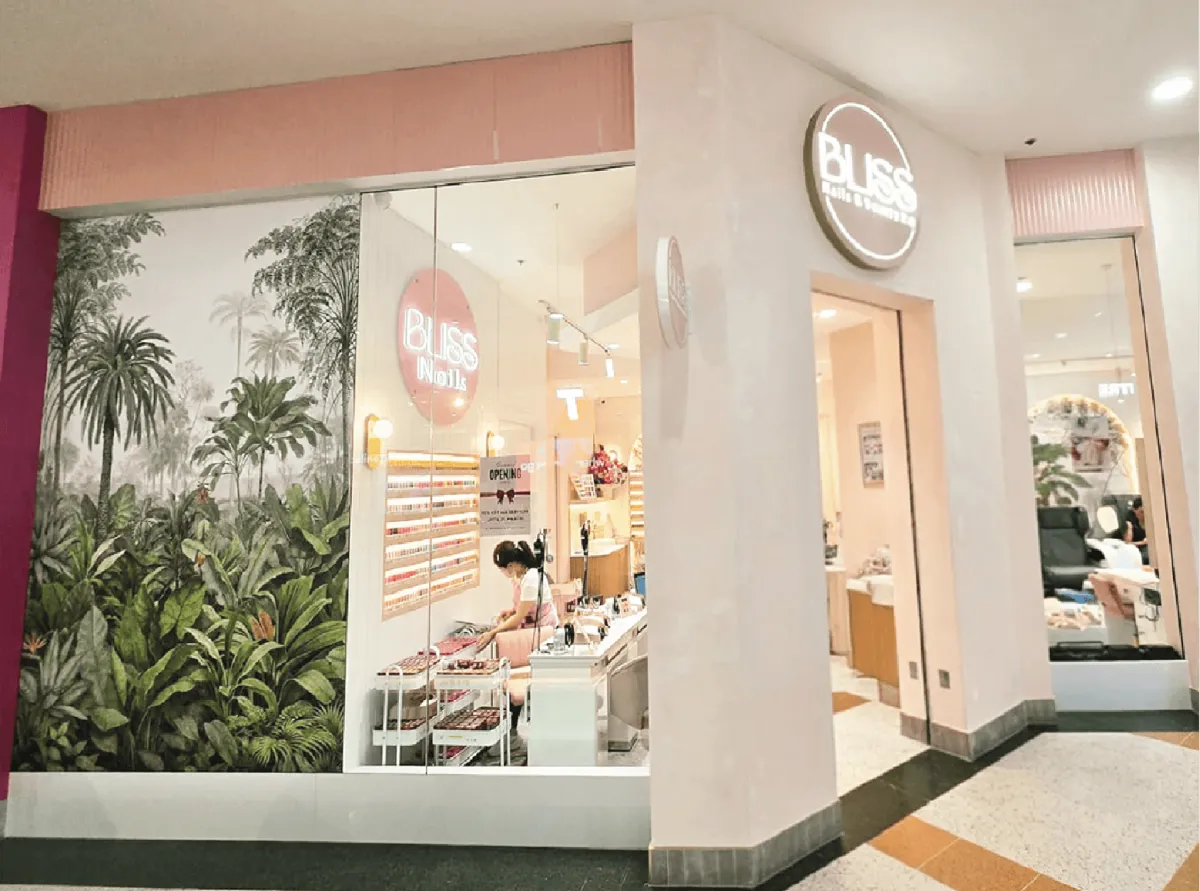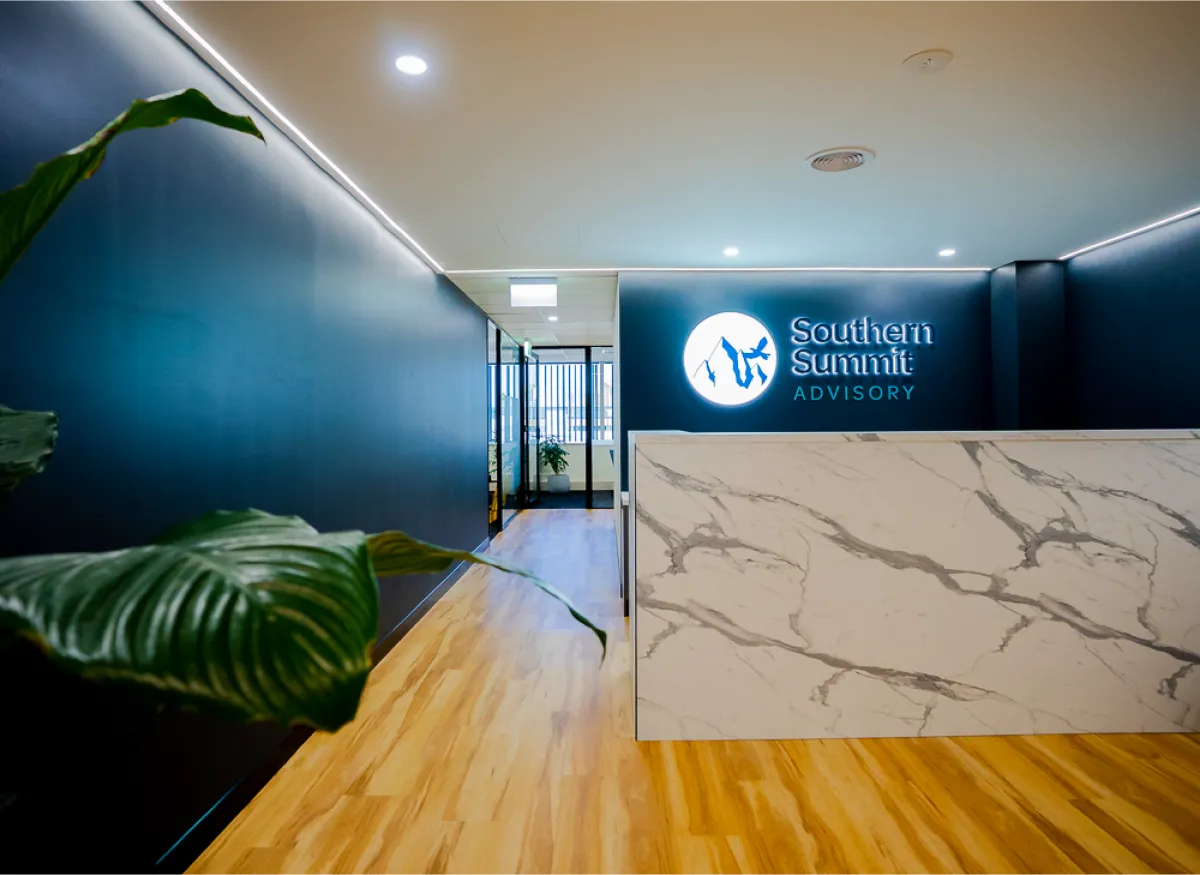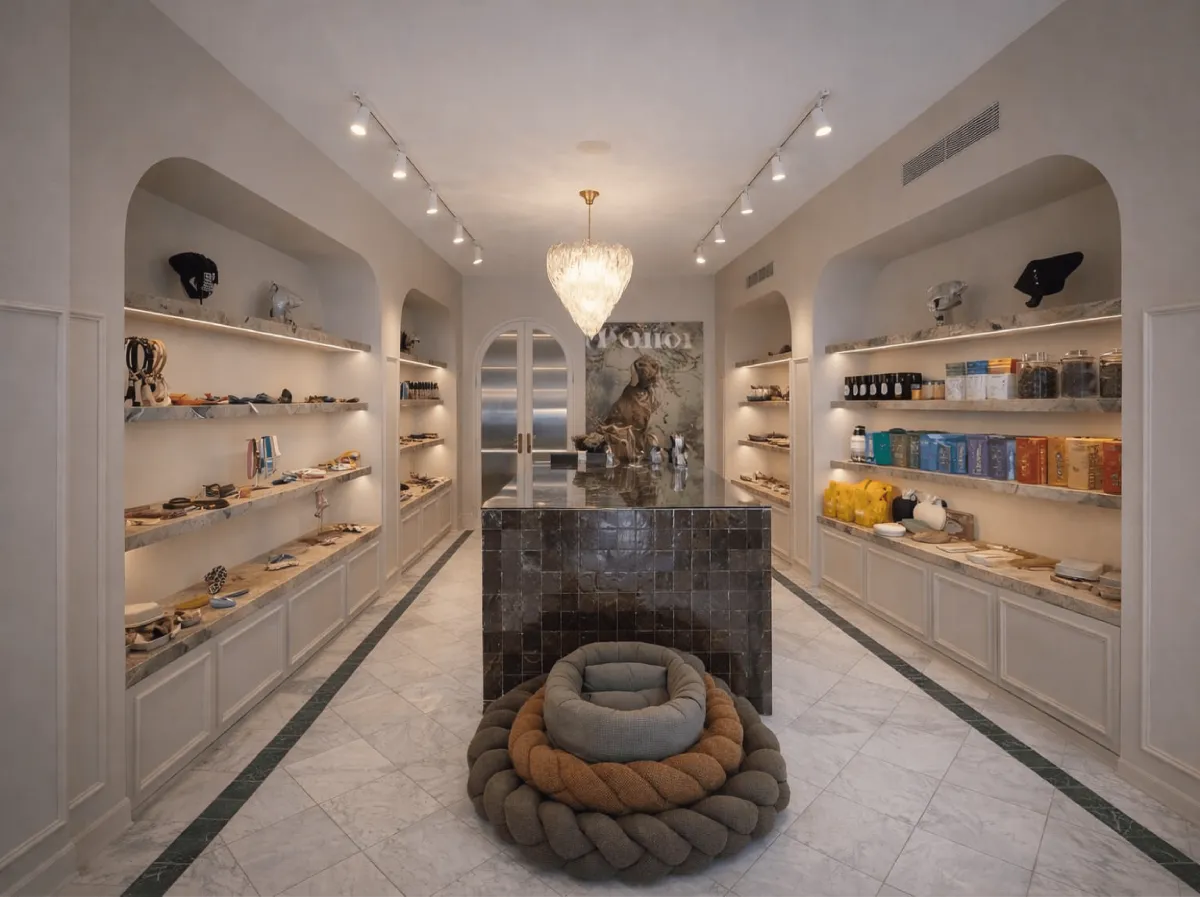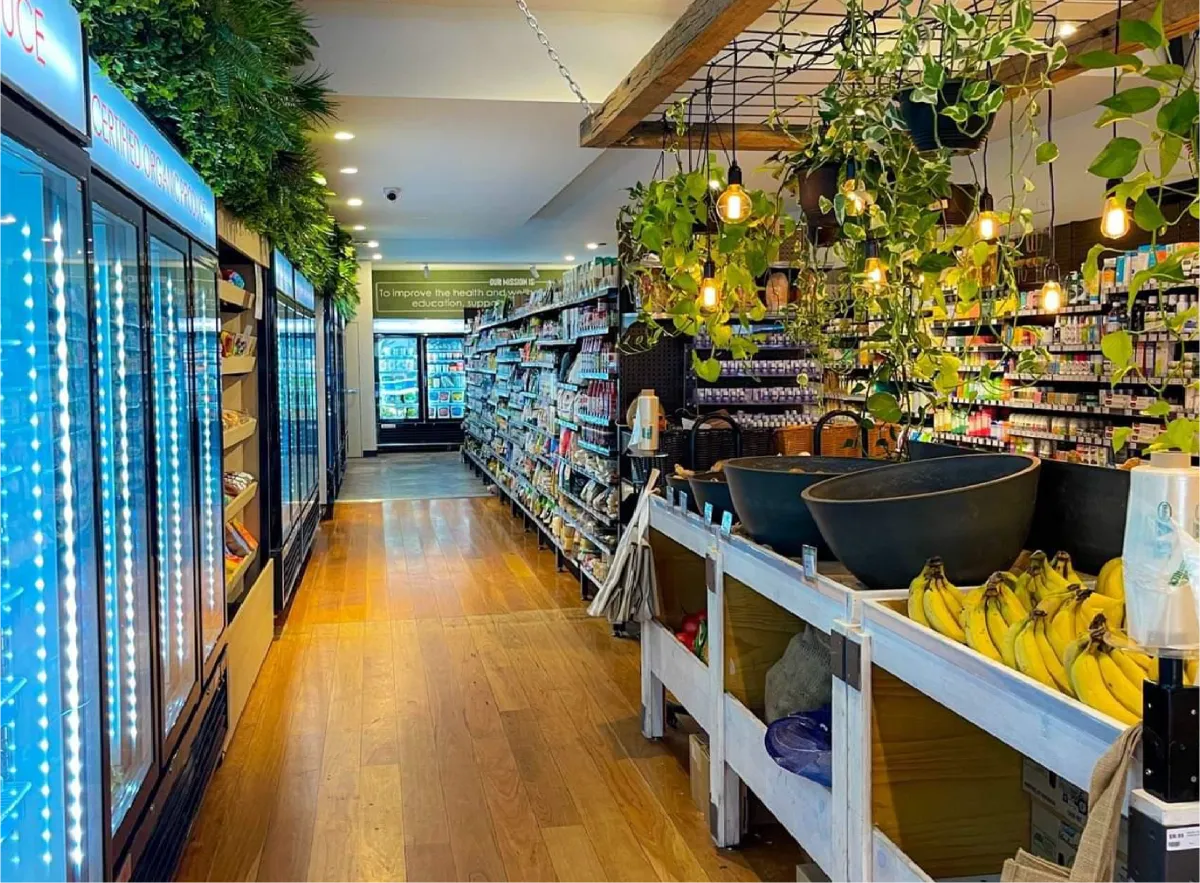
POV: Your client just fell in love with the space — and not a single wall has gone up yet.
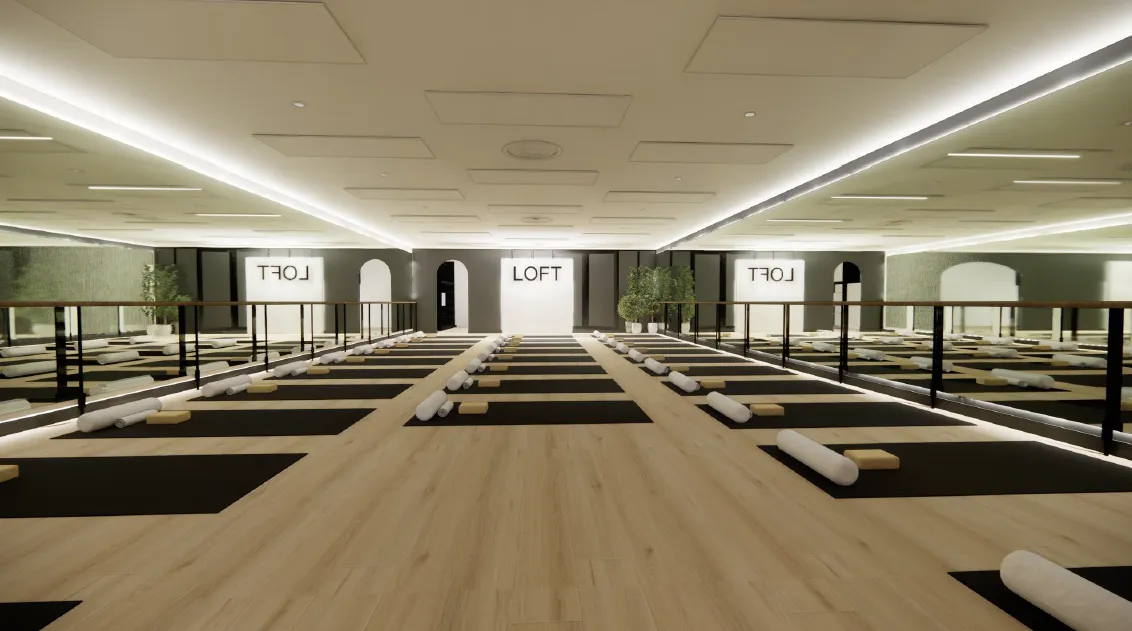
Why We're Writing This
In commercial design, the most expensive words a client can say mid-build are: "Actually, can we change that?" 3D renders exist to make sure those words never leave their mouth — at least not while the trades are on site.
There's a shift happening in how the best commercial designers work with their clients. Before a single fitout decision is locked in, before materials are ordered, before the builder mobilises — the client has already walked through the space. They've seen the light hit the reception desk at 4pm. They've stood in the boardroom and felt whether it reads as powerful or cold. They've approved the palette, pushed back on the joinery profile, and signed off on the whole vision.
None of it happened on site. All of it happened in a render.
👉 This blog is for the business owner who's about to invest serious money into a commercial space and wants to see it, feel it, and sign off on it — before a single tradie turns up."
The old way costs everyone money
WITHOUT RENDERS
Client approves 2D drawings they can't fully visualise
Variations raised mid-construction
Trades called back to redo completed work
Budget blowouts from last-minute changes
Timeline delays affecting the whole project
WITH RENDERS
Client sees and feels the space before it exists
Design decisions resolved on paper
Trades execute without variation requests
Budget certainty from day one
Faster approvals, fewer surprises
The reality is that most clients — even sophisticated commercial ones — struggle to read plans. They'll nod along to a drawing, say it looks great, and then walk on site six weeks later and say it feels nothing like what they imagined. That gap between expectation and reality is where variation costs live.
80%
of design changes happen because clients couldn't visualise the original concept
3-5X
more expensive to change something on site vs. resolving it at design stage
Day 1
is the only time a change costs nothing but a conversation
What a render actually does for the process
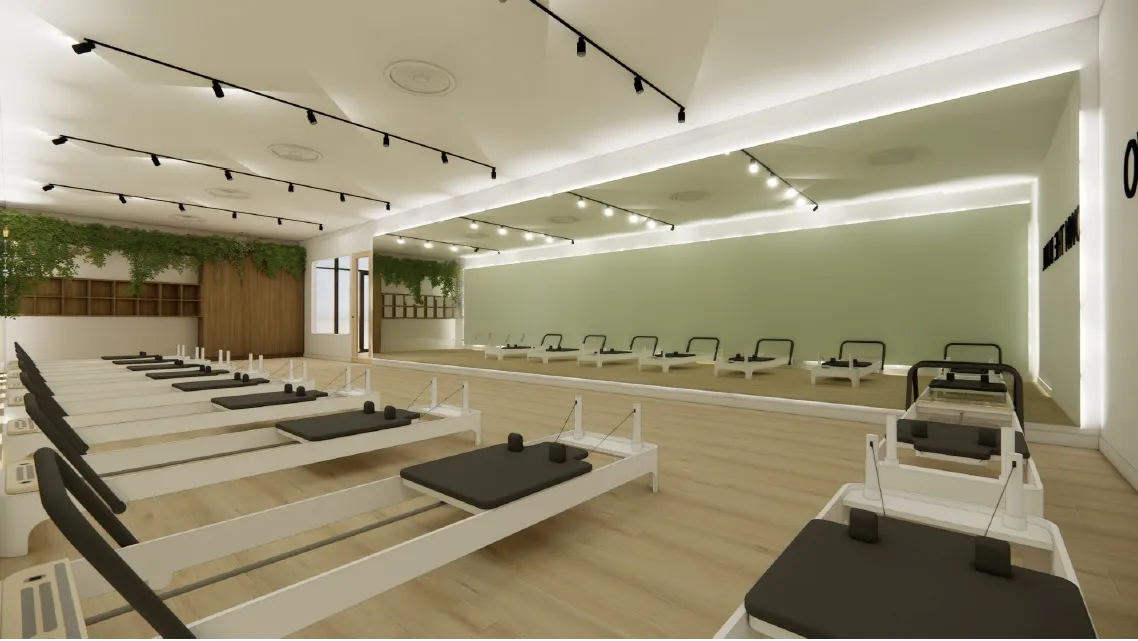
A photorealistic 3D render isn't just a pretty picture to impress a client at the pitch. It's a decision-making tool — one of the most cost-effective tools in the commercial design process. Here's what it unlocks:
👉 Fix it on paper. Fix it for free. Fix it on site, and you're paying three people to undo the work of two others — while the project sits still.
.
Spatial understanding — clients grasp scale, proportion, and flow in a way 2D plans never allow. They can see whether the open plan office will actually feel open, or just cramped.
Material and finish sign-off — timber stain, stone profile, ceiling tile pattern — all resolved before a sample is even ordered. No more "it looked different in the drawing."
Lighting direction — ambient, accent, and task lighting all interact differently across a space. A render shows this before the electrician has run a single cable.
Brand and identity alignment — for commercial spaces especially, the environment needs to embody the brand. Renders let marketing, leadership, and design align before construction begins.
Stakeholder buy-in — large commercial projects have multiple decision-makers. A render gets everyone in the same visual room, eliminating the "I didn't realise it would look like that" problem at handover.
The change order is the most expensive design tool
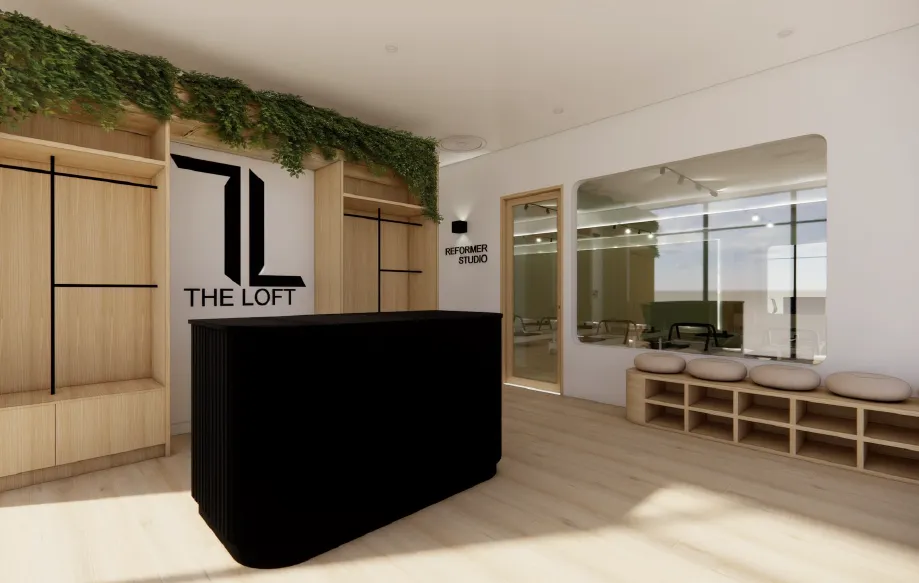
A variation on a commercial fitout isn't just the cost of the material change. It's the call to the builder, the revised scope, the re-procurement, the trade standing idle, and the knock-on effect to every subsequent programme item.
A single "can we move that wall 300mm" mid-construction can cost ten times what the render that could have prevented it would have.
Renders shift the decision window to where decisions are cheapest: before anything is built.
When a client says "I'd like to try it with a lighter stone" during a render review, it costs the designer a few hours. When they say the same thing after the stone has been cut and installed, it costs everyone a great deal more.

The POV that's changing the industry
The designers getting the best outcomes right now — the ones with the cleanest project deliveries and the happiest clients — are the ones who have baked renders into their process as standard, not as an upsell.
They're using visualisation as a communication tool, not a sales tool.
Their clients arrive on site to a space that already feels familiar. They've lived in it virtually for weeks. There's no shock, no second-guessing, no late-stage "what if we tried something else." Just a project that runs on time, on budget, and lands exactly as designed.
That's the commercial design POV worth having in 2026: the render isn't overhead. It's the cheapest insurance policy in the project.
Who This Guide Is For
IS THIS BLOG FOR YOU? This is written for business owners and brand builders who:
Understand that their space is part of their product — not just a backdrop to it
Want a commercial environment that works as hard as the team inside it
Are ready to invest in design, not just construction
Know that the right space attracts the right customers — and keeps them
Not the right fit? If you see your fitout as a box to tick on the way to opening day, we're probably not the right fitout company for you — and we'd rather be honest about that now.
If you're building a space with purpose behind it, we'd love to talk.
Want to see what your space could look like before you build it?
We create photorealistic renders as part of every commercial design engagement — so what you approve is exactly what gets built.
Contact One Built - Simplifying Fitouts across Sydney
What some of our clients say...
We have used One Built now on 3 of our store builds. Al and his team are professional, well priced and bring a high quality of workmanship and project management to every build. I can highly recommend them for any fit out.

Couldn’t be happier with our office fitout. The team was easy to work with, super professional, and really understood what we wanted. They delivered a modern, functional space on time and on budget, with great attention to detail. The whole process was smooth and stress-free. Highly recommend

Have used One Built for a couple of commercial projects now with great results at reasonable prices.

“I cannot express how delighted we are with the outstanding work provided by One Built for our office fit-out at Sutherland. From start to finish, the entire process was nothing short of exceptional. If you are seeking a professional, creative, and reliable team for your office renovation, look no further! ONE Built Projects truly went above and beyond to understand our vision and requirements. They displayed a remarkable level of expertise and creativity, suggesting innovative ideas that perfectly aligned with our company's culture and needs. Their attention to detail was impeccable, and the final result surpassed all our expectations. We are very pleased with the finished results. Al was always friendly and professional."

View Some of Our Projects...