These 3 Design Choices Are Killing Your Patient Experience in Medical Fitouts 🏥✨
Most clinics don’t lose patients because of their doctors.
They lose them because of their space.
In modern medical fitout design, patient experience is no longer just about clinical care—it’s about how the environment makes people feel from the moment they walk in.
A well-designed medical clinic fitout can improve trust, comfort, and even patient retention. But poor design decisions quietly do the opposite.
Here are three common medical centre design mistakes that are negatively impacting patient experience in clinics across Australia.
01. Designing for Looks, Not Patient Flow
One of the most common mistakes in medical fitout planning is prioritising aesthetics over functionality.
A clinic might look modern and visually impressive, but if the layout doesn’t support smooth movement, patients immediately feel it.
What goes wrong:
- Confusing entry points or reception positioning
- Long or unclear walking paths to consultation rooms
- Poor separation between waiting, treatment, and staff zones
- Inefficient circulation for both patients and staff
Why it matters:
In healthcare environments, patient flow is everything. A poorly designed clinic layout creates confusion, delays, and unnecessary stress.
👉 Patients should instinctively know where to go without asking.
02. Ignoring Privacy in Clinic Design
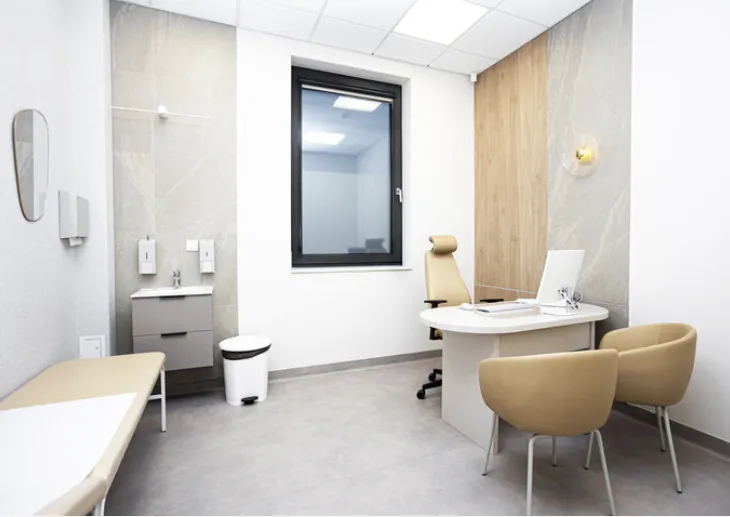
Privacy is one of the most underestimated elements in medical centre fitout design, yet it has a direct impact on trust.
If patients feel exposed, overheard, or uncomfortable, it immediately affects their perception of care quality.
Common privacy issues in clinics:
- Open reception areas with no acoustic separation
- Thin partition walls between consult rooms
- Conversations being overheard in waiting areas
- Lack of discreet check-in or intake processes
Why it matters:
Healthcare is personal. Patients discuss sensitive information—if they feel they’re being overheard, trust drops instantly.
👉 In modern medical practice design, privacy is directly linked to:
- Patient satisfaction
- Willingness to return
- Comfort during consultations
The better approach:
A high-quality medical fitout design includes:
Acoustic wall insulation between consultation rooms
Zoned waiting areas for visual separation
Private consultation rooms with sound control
Reception layouts that reduce exposure of patient information
Good clinic interior design doesn’t just look professional—it protects patient dignity.
03. Creating a Cold, Clinical Environment
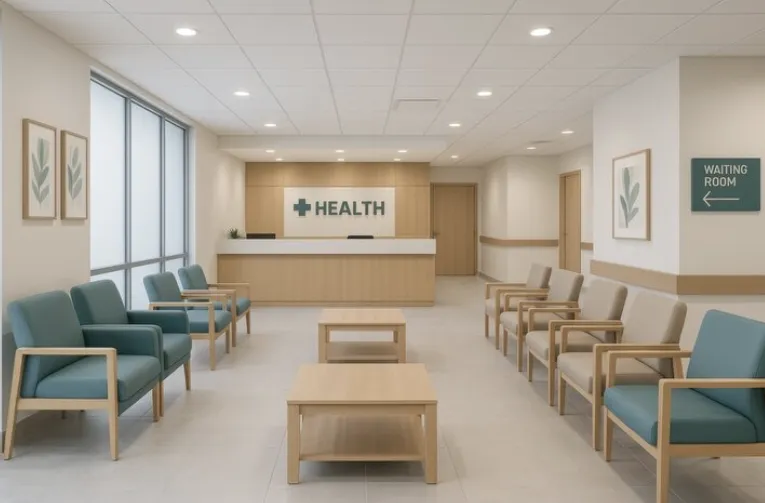
Traditional clinics often fall into the same trap: bright white lights, sterile materials, and harsh finishes.
While this may feel “clean,” it often creates anxiety in patients.
The problem: A cold clinical environment design can feel:
- Intimidating
- Stress-inducing
- Emotionally distant
- Outdated
This is especially important in modern healthcare, where patient experience is a competitive advantage.
Why it matters:
Today’s patients expect more than functional healthcare—they expect comfort.
In modern medical fitout trends, clinics are shifting toward:
- Hospitality-inspired interiors
- Warm lighting and natural tones
- Soft textures and biophilic design elements
- Calming, human-centred environments
👉 A better-designed healthcare space can reduce anxiety and improve how patients perceive their care.
The better approach:
Modern medical clinic interior design focuses on:
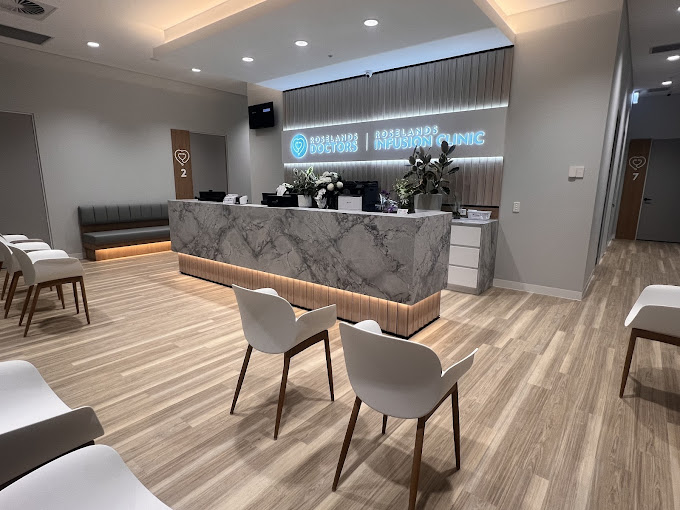
Warm, indirect lighting instead of harsh fluorescents
Natural materials like timber, stone, and soft finishes
Comfortable waiting areas that feel like lounges, not hospitals
Colour palettes that promote calmness and trust
A clinic should feel professional—but also reassuring.
Why Medical Fitout Design Matters More Than Ever
!n 2026, medical fitout design in Australia is evolving rapidly.
Clinics are no longer just functional spaces—they are patient experience environments.
A well-executed medical centre fitout can:
Improve patient retention
Increase perceived care quality
Reduce patient anxiety
Enhance operational efficiency
Strengthen brand reputation
Meanwhile, poor design decisions often go unnoticed until after construction—when changes become costly and disruptive.
Final Thoughts
Most clinic owners only realise these mistakes after the build is complete.
By then, fixing layout, privacy, or atmosphere issues becomes expensive and complex.
If you’re planning a medical clinic fitout, these three areas should be addressed from the beginning:
Patient flow and layout
Privacy and acoustic design
Atmosphere and emotional experience
Getting the design right upfront isn’t just about aesthetics—it’s about building a clinic that patients trust and return to.
Planning a Medical Fitout?
If you’re considering a new medical centre design or clinic fitout, getting the layout right early can save significant time and cost later.
A well-planned space leads to better patient experience, smoother operations, and a stronger long-term practice.
👉 Message “CLINIC” to review your layout and see what could be improved before you build.
What some of our clients say...
We have used One Built now on 3 of our store builds. Al and his team are professional, well priced and bring a high quality of workmanship and project management to every build. I can highly recommend them for any fit out.

Couldn’t be happier with our office fitout. The team was easy to work with, super professional, and really understood what we wanted. They delivered a modern, functional space on time and on budget, with great attention to detail. The whole process was smooth and stress-free. Highly recommend

Have used One Built for a couple of commercial projects now with great results at reasonable prices.

“I cannot express how delighted we are with the outstanding work provided by One Built for our office fit-out at Sutherland. From start to finish, the entire process was nothing short of exceptional. If you are seeking a professional, creative, and reliable team for your office renovation, look no further! ONE Built Projects truly went above and beyond to understand our vision and requirements. They displayed a remarkable level of expertise and creativity, suggesting innovative ideas that perfectly aligned with our company's culture and needs. Their attention to detail was impeccable, and the final result surpassed all our expectations. We are very pleased with the finished results. Al was always friendly and professional."

View Some of Our Projects...