🏢 Hybrid Workspaces: Office Fitouts That Adapt 🔄
The role of the office has fundamentally changed
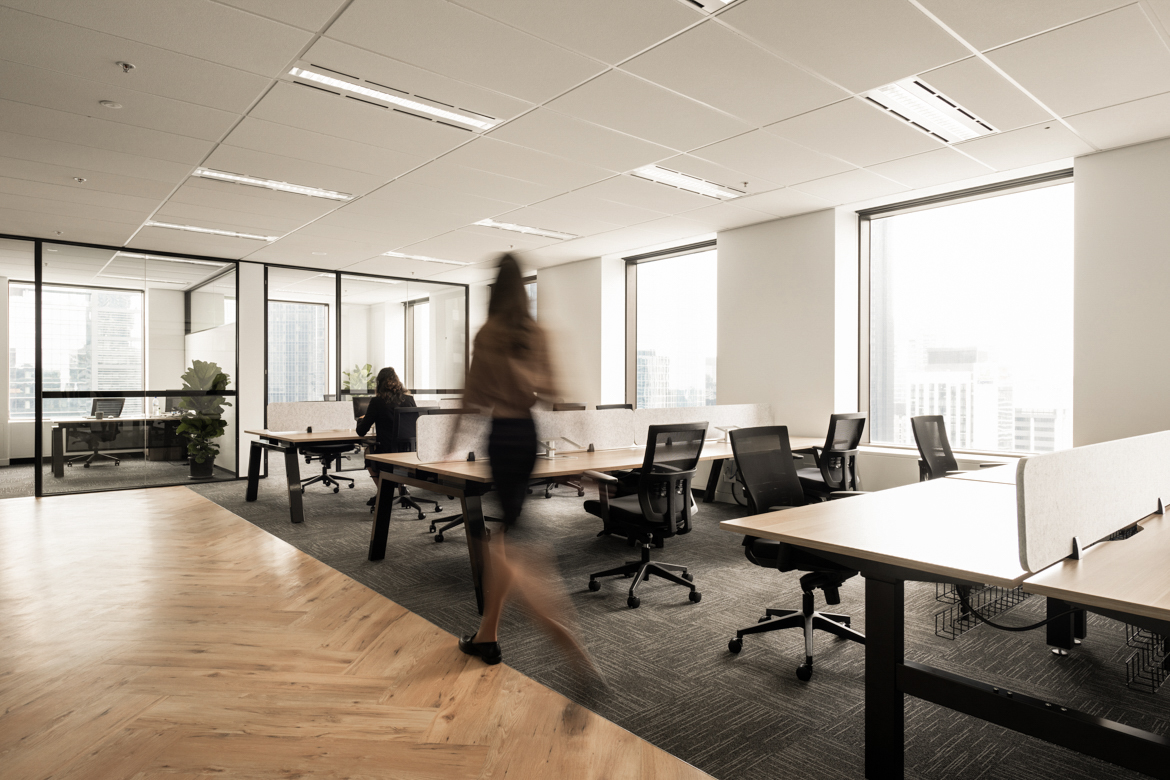
Across Sydney, businesses are no longer designing workplaces purely for attendance they’re designing them for purpose. In a hybrid model, where teams split their time between home and office, the workplace needs to be more flexible, more intentional, and far more adaptable than ever before.
This shift isn’t just about aesthetics or trends. It’s about creating an environment that supports how people actually work individually, collaboratively, and everything in between without overcomplicating the fitout process.
Why Hybrid Work Is Reshaping the Office
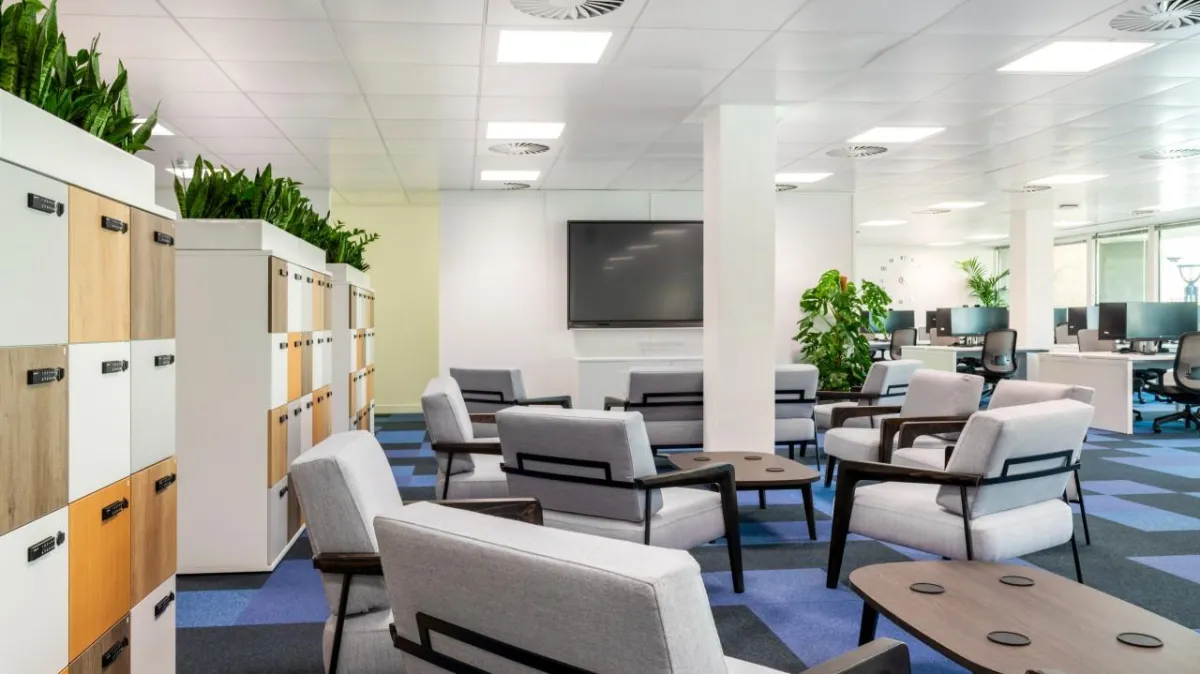
Hybrid work has raised the bar for what employees expect from a workplace. If people are commuting in, there needs to be a clear benefit whether that’s better collaboration, access to resources, or simply a more engaging environment.
For businesses, that means every part of the office has to earn its place. Underused desks and single-purpose rooms are being replaced by spaces that serve multiple functions and adapt throughout the day.
👉 Nailing hybrid office design is an opportunity to attract and keep employees.
Designing for Flexibility First
Modern fitouts are moving away from rigid desk allocations and toward flexible zoning. Instead of static layouts, offices are embracing dynamic environments that support different tasks, team sizes, and energy levels across the day.
A successful hybrid workspace blends a range of zones:
01. Hot desks and touchdown areas 💻
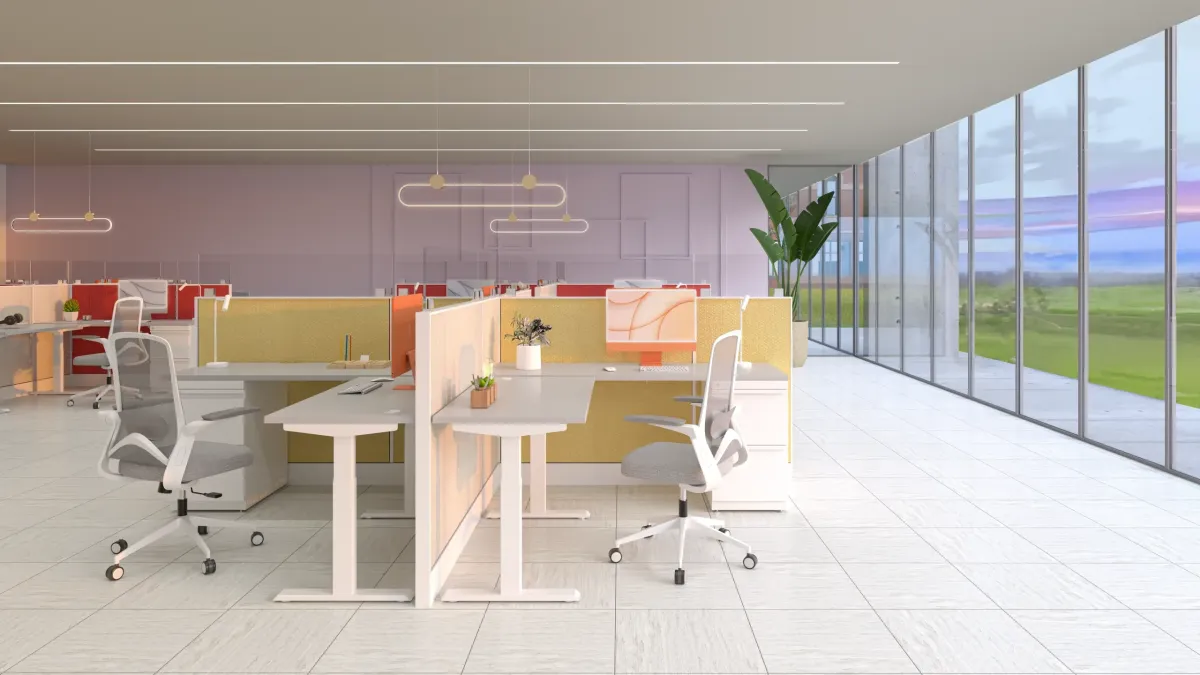
These spaces are designed for short, efficient bursts of work. Rather than assigning permanent desks, employees can drop in, plug in, and get started. Well-designed touchdown areas prioritise accessibility think convenient power access, ergonomic seating, and proximity to key amenities.
They’re ideal for hybrid staff who come in for a few hours, between meetings, or on an as-needed basis, without wasting valuable floor space.
02. Collaboration zones 🤝
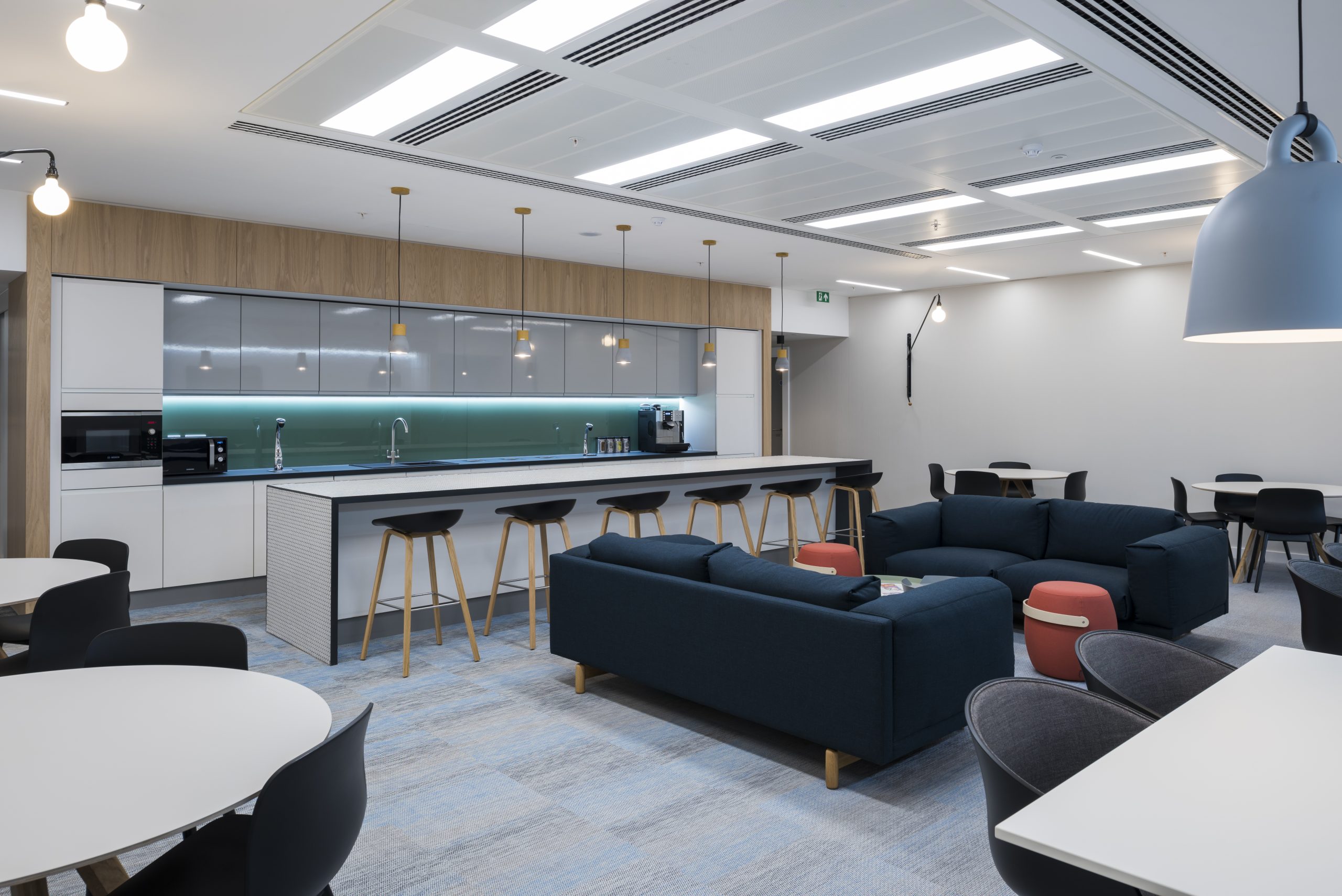
These are the heart of the modern office. Open, adaptable, and often tech-enabled, collaboration zones are built for interaction whether it’s quick team huddles, structured workshops, or creative brainstorming sessions.
Flexible furniture, writable surfaces, and integrated screens allow teams to move seamlessly between discussion and execution. In a hybrid setting, these areas also need to support remote participants just as effectively as those in the room.
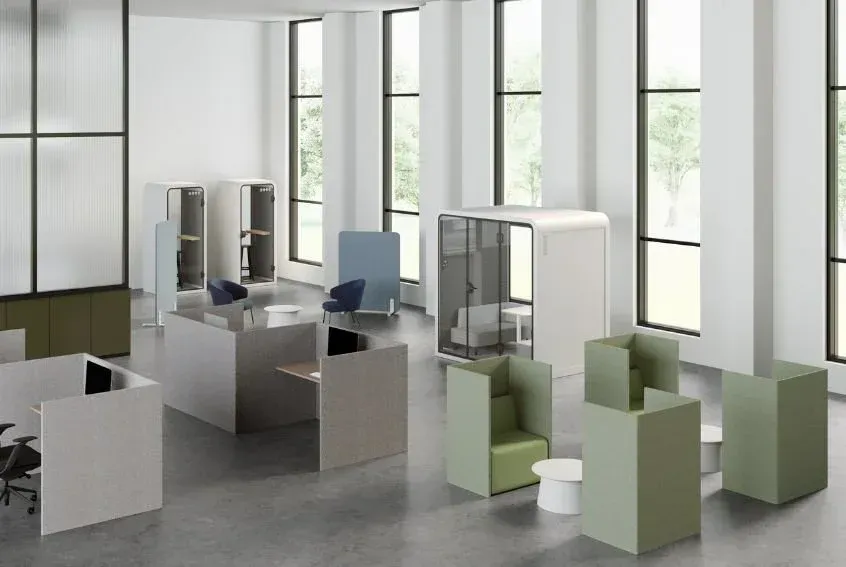
03. Quiet spaces 🤫
With open-plan layouts still common, dedicated quiet zones are more important than ever. These spaces provide a retreat for focused, uninterrupted work free from noise and distraction.
Whether it’s acoustic treatments, enclosed rooms, or library-style layouts, they give employees the ability to concentrate when it matters most.
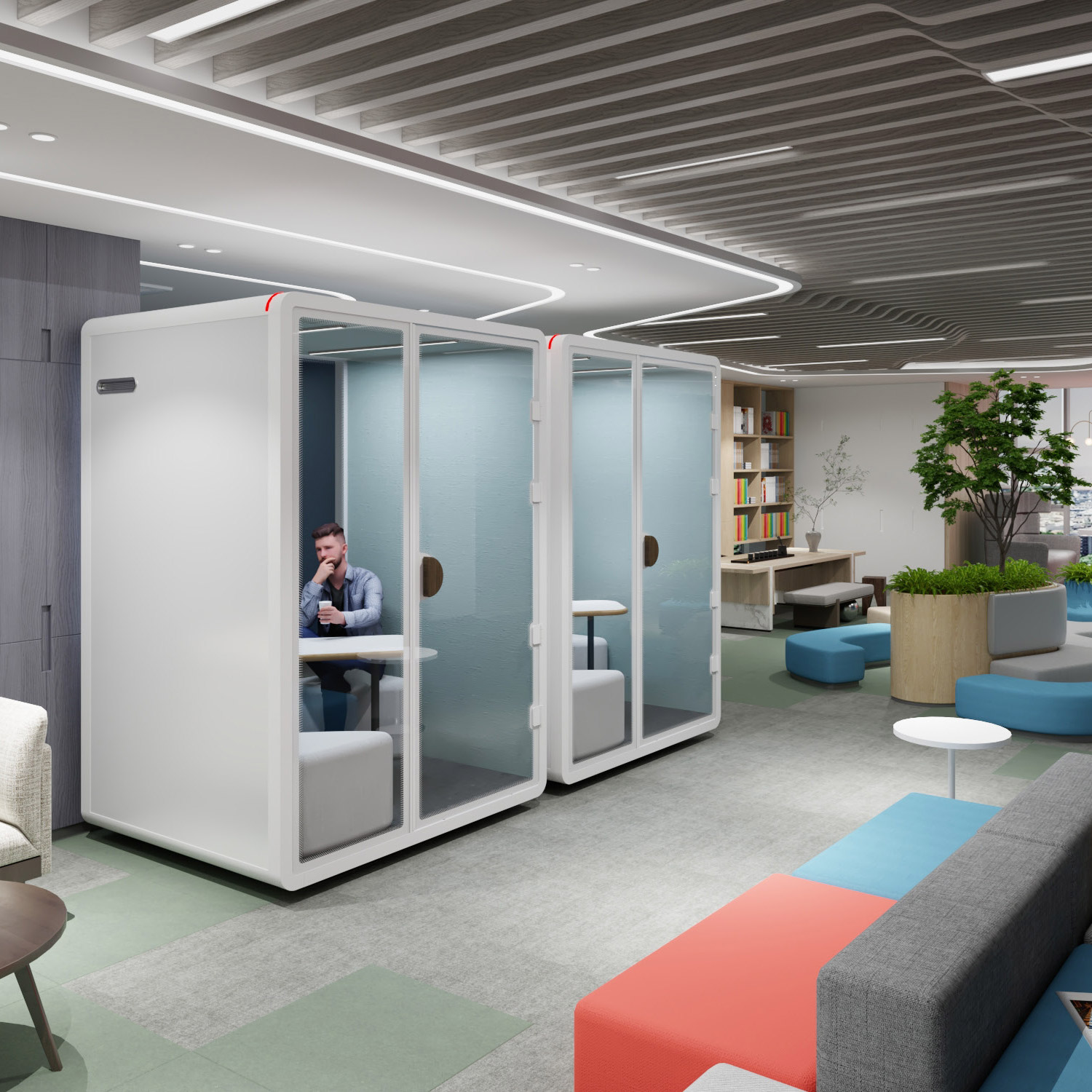
04. Office pods for private meetings and calls 🎧
Complementing quiet zones, office pods offer enclosed, acoustically treated spaces for calls, virtual meetings, or one-on-one discussions.
Smaller pods are ideal for quick phone or video calls, while larger pods can accommodate small group meetings without needing to book a full meeting room making them a highly efficient addition to hybrid environments.
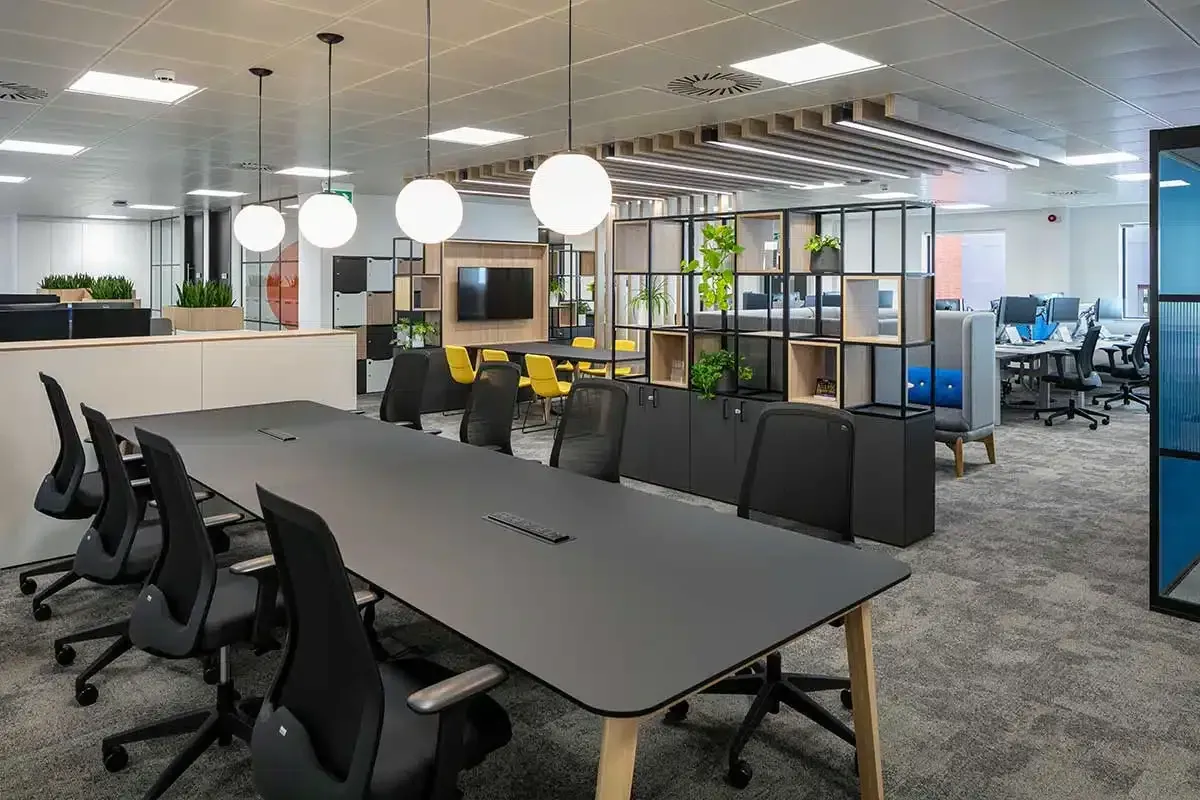
05. Multipurpose rooms 🔀
Flexibility is fully realised in spaces that can transform throughout the day. A meeting room in the morning might become a training space in the afternoon and an event area by evening.
With the use of partition walls and modular design, these spaces can be easily reconfigured to suit different group sizes and functions, ensuring no area is underutilised.
Beyond these core zones, modern fitouts are also incorporating breakout spaces informal areas designed for both relaxation and spontaneous collaboration.
These zones are increasingly outfitted with sofas, lounge seating, and soft furnishings, creating a more comfortable, residential feel that encourages people to pause, connect, or reset between tasks.
To further enhance engagement, many workplaces are introducing games and entertainment 🎮🏓 from table tennis and gaming setups to casual recreational areas. These features aren’t just perks; they help build culture, reduce stress, and create natural opportunities for team interaction.
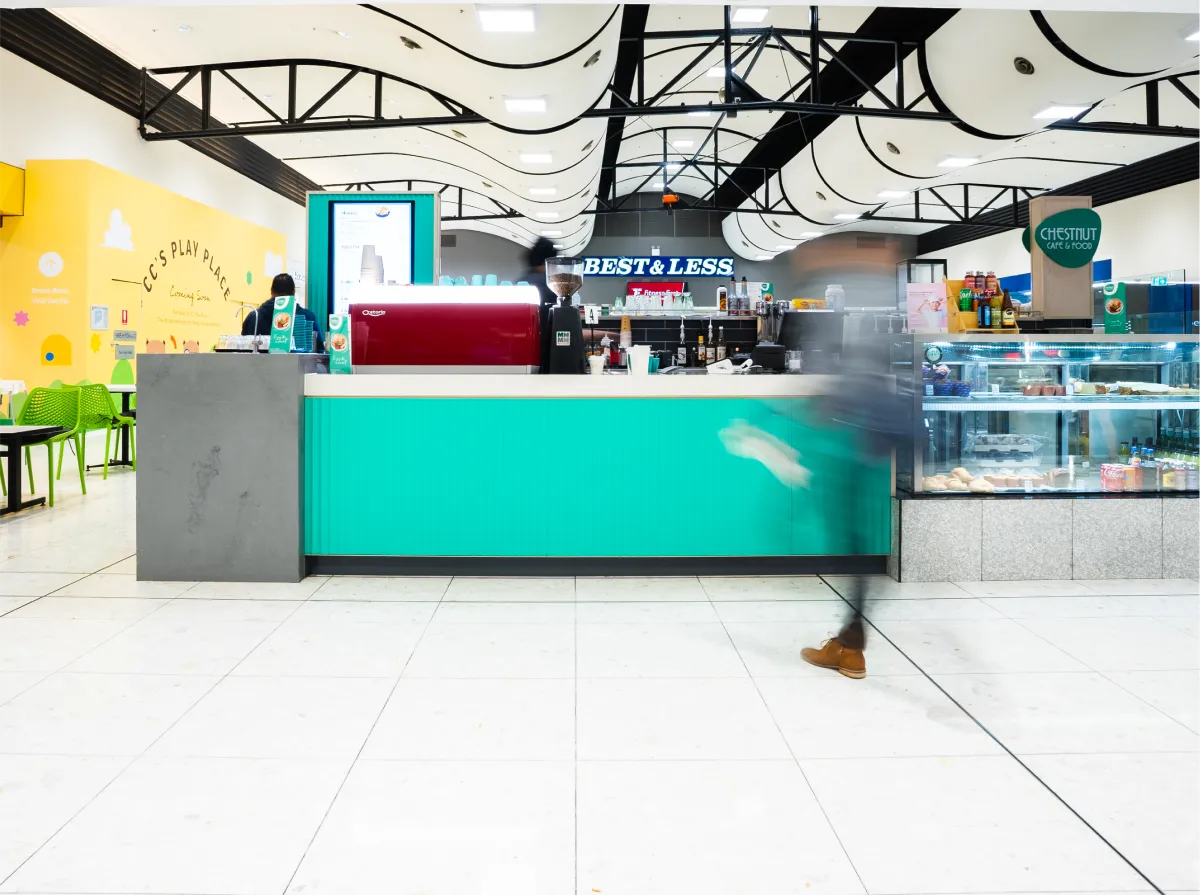
There’s also a noticeable shift toward hospitality-inspired design. In-house cafés, barista-style coffee points, and thoughtfully designed food areas are becoming central features rather than afterthoughts. These spaces act as social anchors within the office, drawing people together and creating natural opportunities for connection. Large communal tables and flexible dining zones can double as informal meeting areas or event spaces, further increasing functionality.
This layered, flexible approach supported by modular layouts and reconfigurable elements allows businesses to maximise every square metre while adapting to changing needs over time.
Technology as the Backbone
A flexible workspace only works if the technology supports it. Hybrid teams rely on seamless connectivity between in-office and remote employees, and any friction can quickly undermine productivity.
From reliable video conferencing to wireless collaboration tools and intuitive booking systems, the goal is to create a workplace where technology feels invisible always working, never getting in the way.
Designing Spaces People Want to Use 🌿
Today’s office isn’t mandatory it’s optional. That means it needs to offer something employees can’t get at home.
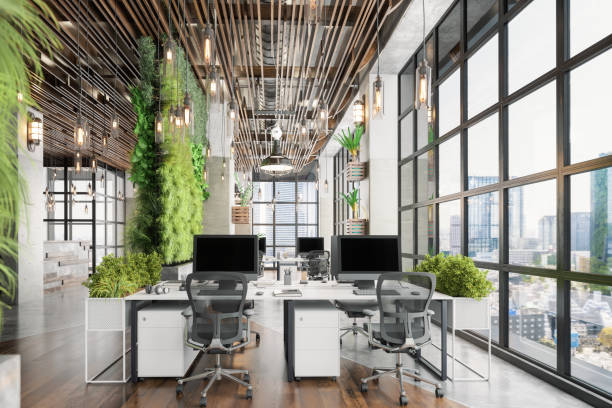
Many businesses are leaning into Biophilic Design, incorporating natural light, greenery, and organic materials to create a more welcoming and balanced environment. When combined with comfortable breakout areas and hospitality-driven features, the office becomes a place people actively choose to spend time in.
Keeping Fitouts Simple and Future-Ready
With so many moving parts, it’s easy for fitouts to become overly complex. But the most effective hybrid workplaces are often the simplest clear in their layout, flexible in their design, and built to evolve.
A streamlined fitout approach focuses on adaptability, scalability, and ease of use. It avoids overdesigning for trends and instead creates a solid foundation that can shift as business needs change.
The Bottom Line
Hybrid work isn’t a temporary adjustment it’s a long-term shift in how businesses operate. Offices that succeed in this new landscape will be those designed with flexibility at their core.
By combining adaptable zones, multipurpose spaces, modular design, and thoughtfully integrated amenities, businesses can create workplaces that support productivity, encourage connection, and make every visit to the office worthwhile.
Contact One Built - Simplifying Office Fitouts
Is your workplace keeping up with the way your team actually works? Hybrid isn’t just a trend—it’s the new standard, and your office should reflect that. If you’re ready to transform your space into a flexible, future-ready environment that people genuinely want to use, now’s the time to act. Talk to our team about a smarter, more adaptable fitout designed around your business.
What some of our clients say...
We have used One Built now on 3 of our store builds. Al and his team are professional, well priced and bring a high quality of workmanship and project management to every build. I can highly recommend them for any fit out.

Couldn’t be happier with our office fitout. The team was easy to work with, super professional, and really understood what we wanted. They delivered a modern, functional space on time and on budget, with great attention to detail. The whole process was smooth and stress-free. Highly recommend

Have used One Built for a couple of commercial projects now with great results at reasonable prices.
“I cannot express how delighted we are with the outstanding work provided by One Built for our office fit-out at Sutherland. From start to finish, the entire process was nothing short of exceptional. If you are seeking a professional, creative, and reliable team for your office renovation, look no further! ONE Built Projects truly went above and beyond to understand our vision and requirements. They displayed a remarkable level of expertise and creativity, suggesting innovative ideas that perfectly aligned with our company's culture and needs. Their attention to detail was impeccable, and the final result surpassed all our expectations. We are very pleased with the finished results. Al was always friendly and professional."

View Some of Our Projects...