You Almost Opened Without an Occupation Certificate
Approvals, Compliance and Fire Regs: Why Your Fitout Partner Should Own All of It
Your fitout looks incredible. Your team is trained. Your launch date is locked in.
And then someone asks:
“Where's your Occupation Certificate?”
Development Approval. Complying Development Certificate. Construction Certificate. Occupation Certificate. Fire Safety Schedule. Council approvals. Accessibility requirements. Acoustic reports. These aren't just paperwork formalities — they are the legal and compliance steps that sit between your completed fitout and the moment you can open your doors to the public. In New South Wales, occupying or operating a business without the correct approvals and certifications can expose business owners to serious risk. Delays, fines, rectification works, insurance complications, and in some cases, restrictions on occupancy can quickly turn an exciting launch into an expensive lesson.
The cost of getting it wrong often makes the cost of getting it right look insignificant.
This is the part of commercial fitouts that nobody talks about until something goes wrong. We're writing this so you know what's involved before you sign a lease, lock in an opening date, or engage a builder.

Why We're Writing This
Because the approvals process in NSW is genuinely complex — and it changes depending on your industry, your council, your tenancy, and what your space was used for previously.
A hospitality fitout involves different compliance pathways than a medical fitout. A gym has different fire and structural requirements than a beauty salon. An office fitout has different accessibility obligations than a retail store.
And a business that engages a fitout company with limited experience in approvals management may be relying on luck at every stage.
At One Built, we manage complete project delivery — from design and construction through to approvals, certifications and final sign-off.
👉This article is for Sydney business owners who want to understand what that actually means, why it matters, and what can go wrong when compliance becomes an afterthought.
The NSW Commercial Fitout Approvals Landscape
Before a commercial fitout in Sydney can legally commence — and before a business can open — a project may need to navigate several approvals, certifications and compliance requirements.
The approvals required depend on the building, the proposed use, the scope of works and the applicable planning controls.
The main approval pathways include:
1. Development Application (DA)
2. Complying Development Certificate (CDC)
3. Construction Certificate (CC)
4. Occupation Certificate (OC)
Not every project requires all of these approvals. Understanding which pathway applies is one of the most important decisions in any fitout project.
Getting it wrong can cost weeks — sometimes months.

01. Development Application (DA)
A Development Application (DA) is generally required where proposed works involve:
A change of use
External building alterations
Heritage considerations
Significant building works
Development that does not qualify as exempt or complying development
DA applications are submitted to the relevant local council. In Sydney, this may include councils such as the City of Sydney, Sutherland Shire, Bayside, Waverley, Canterbury-Bankstown, or others depending on the tenancy location.
Approval timeframes vary significantly depending on council workloads, project complexity and the quality of documentation submitted.
👉 Allowing six to sixteen weeks for assessment is not uncommon, although more complex projects may take longer.
For businesses with fixed lease commencement dates or planned opening days, delayed approvals can have serious commercial consequences.
02. Complying Development Certificate (CDC)
Many commercial fitouts in NSW may qualify for a Complying Development Certificate (CDC). A CDC is a streamlined approval pathway assessed by a registered certifier against applicable planning controls and the National Construction Code (NCC). Unlike a DA, a CDC generally combines planning and construction approval into a single process, often reducing approval timeframes for eligible projects.
CDC approval may be suitable where:
There is no change of use
The proposed works meet prescribed planning criteria
The fitout complies with relevant development standards
However, not all projects qualify.
Determining whether a project can proceed under a CDC or requires a DA is one of the first and most consequential decisions in any commercial fitout.
👉 Getting this wrong at the outset can result in redesigns, approval delays and unnecessary costs.
👉A well-managed CC process helps avoid delays during construction and ensures compliance issues are identified before work begins.
03. Construction Certificate (CC)
Where a Development Application has been approved, a Construction Certificate (CC) is generally required before building work commences.
A CC confirms that the detailed construction documentation complies with:
The National Construction Code (NCC)
Relevant Australian Standards
Conditions of development consent
Fire safety requirements
Accessibility requirements
This stage often involves coordination between:
Certifiers
Architects and designers
Structural engineers
Fire engineers
Hydraulic consultants
Mechanical engineers
04. Occupation Certificate (OC)
The Occupation Certificate (OC) is often the final approval issued at the completion of a project.
Where an Occupation Certificate is required, a building or tenancy generally cannot be legally occupied or used until the relevant certificate has been issued.
An OC confirms that:
The approved works have been completed
Required inspections have occurred
Fire safety measures have been certified
The building is suitable for occupation in accordance with the approval
This is not simply an administrative formality.
Opening a business before the appropriate approvals have been obtained can expose owners, landlords and operators to significant legal and commercial risk.
👉For many businesses, the Occupation Certificate is the final milestone that stands between project completion and opening day.
A Note on Timing
One of the most common misconceptions in commercial fitouts is that approvals happen after construction.
In reality, approvals and certifications must be considered from the very beginning of a project.
The most successful fitouts are those where approvals, design, construction and certification are managed together — not as separate processes.
Because when opening day arrives, the only thing you should be worrying about is welcoming customers through the door.
Fire Safety and Building Code Compliance
The Building Code of Australia (BCA) — now incorporated into the National Construction Code (NCC) — governs fire safety, structural adequacy, accessibility and amenity requirements for commercial buildings throughout New South Wales.
For commercial fitout projects, fire safety is often one of the most complex and consequential areas of compliance.
A fitout is not simply about aesthetics. New walls, services, occupancy changes and alterations to existing layouts can all impact a building's fire safety systems and trigger additional compliance obligations.
What appears to be a simple fitout can quickly become a highly regulated project.
.
What fire compliance actually involves in a commercial fitout:
Fire-Rated Walls and Ceilings
Fire-rated construction is often required where a fitout:
Creates new rooms or corridors
Separates tenancies
Penetrates existing fire compartments
Alters fire-isolated exits
Fire resistance levels (FRLs) must comply with the NCC and be installed in accordance with the relevant Australian Standards.
Sprinkler Systems
Changes to floor area, occupancy or building use may require modifications to existing sprinkler systems.
Any sprinkler alterations must be designed and certified by suitably qualified professionals and integrated with the building's existing fire protection systems.
Emergency Lighting and Exit Signage
Emergency lighting and exit signage must comply with applicable Australian Standards and be positioned to provide safe egress during an emergency.
Even seemingly minor layout changes can impact emergency escape paths and trigger upgrades.
Smoke Detection and Alarm Systems
Smoke detection and alarm systems often need to be integrated with the building-wide fire system where required.
Changes to room layouts, ceiling configurations and occupancy may necessitate modifications to existing systems.
Fire Doors and Hardware
Fire doors, self-closing devices and associated hardware must comply with the relevant Australian Standards.
Incorrect hardware or installation can compromise a building's fire separation and result in certification issues at handover.
Essential Fire Safety Measures
Essential fire safety measures require ongoing inspection, testing and maintenance throughout the life of the building.
Responsibilities for these measures are typically allocated between landlord and tenant under the lease agreement and should be clearly understood before occupation.
Annual Fire Safety Statements (AFSS)
Building owners are generally responsible for lodging an Annual Fire Safety Statement with council each year.
Where a fitout introduces or modifies essential fire safety measures, those measures may need to be incorporated into the building's fire safety schedule.
Why Fire Compliance Matters
Fire safety requirements are assessed against the building's classification under the NCC.
Most commercial fitouts fall within Class 5, 6, 7, 8 or 9 buildings, however the correct classification must always be confirmed by a suitably qualified consultant or certifier.
Because when it comes to fire compliance, assumptions are expensive.
Approvals by Industry: What's Different and Why It Matters
One of the most common mistakes Sydney business owners make is assuming that approval requirements are consistent across all commercial spaces.
They are not.
A gym does not have the same requirements as a beauty salon.
A medical clinic does not have the same obligations as an office.
Understanding these differences early can save considerable time, cost and stress later in the project.
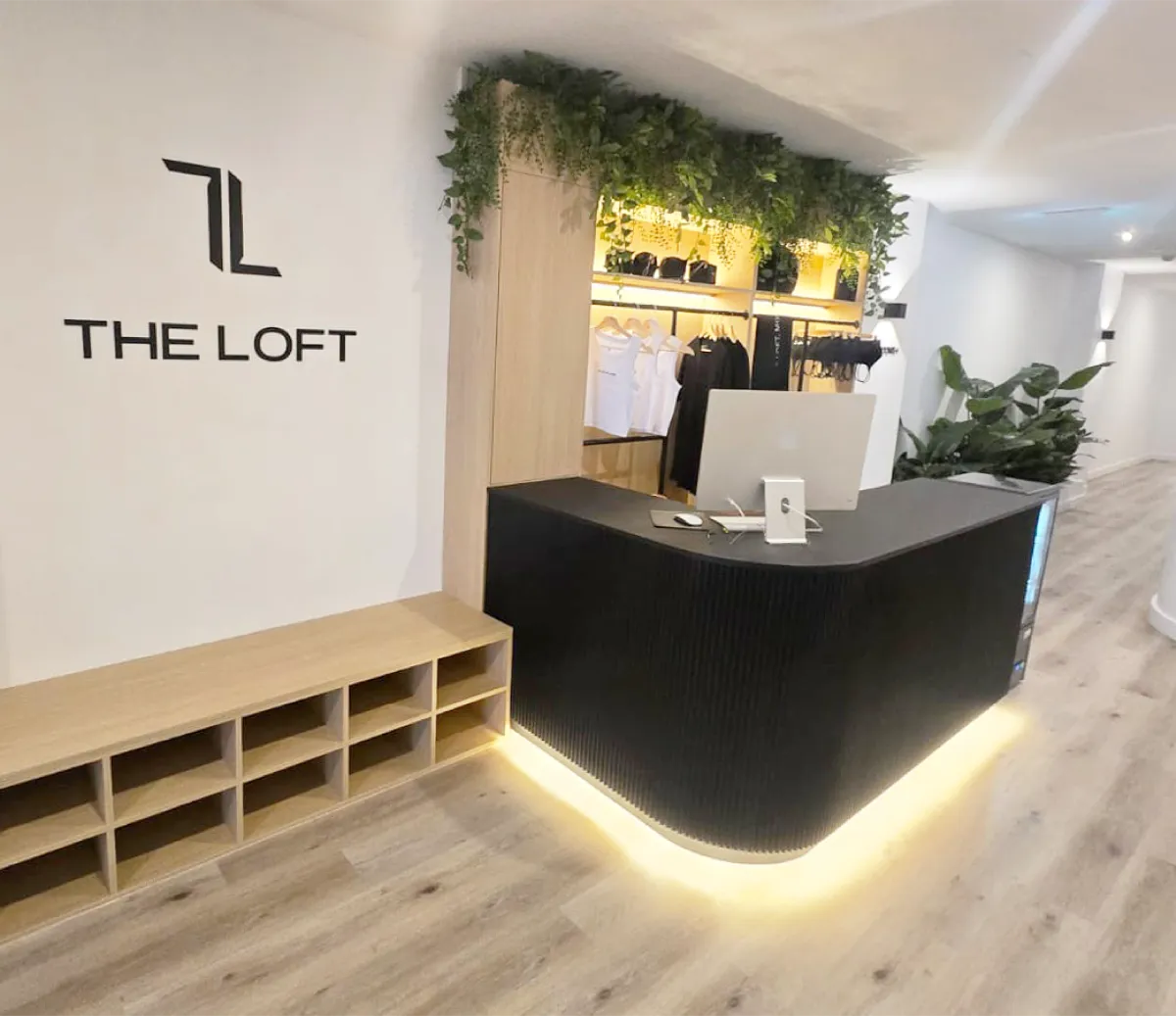
Fitness — Gyms, Pilates Studios, and Training Facilities
Fitness fitouts are frequently misunderstood from a compliance standpoint because they can involve unique fire, structural and occupancy considerations.
Depending on the use, occupancy and operational characteristics, some fitness facilities may be classified under NCC Class 9b (assembly buildings), while others may be assessed differently.
This distinction can significantly impact the compliance pathway and fire safety requirements.
Common Compliance Considerations for Fitness Fitouts
Structural Loading
Heavy equipment, free weights, squat racks and lifting platforms can impose significant loads on existing floor structures.
Structural engineering assessment may be required to confirm the building can safely accommodate these loads.
Occupancy Load and Egress
Occupancy calculations influence:
Exit widths
Travel distances
Emergency lighting
Exit signage
Fire safety measures
As occupant numbers increase, so too can compliance requirements.
Acoustic Performance
Studios offering group classes, music or high-impact activities may require acoustic treatment to satisfy:
Council requirements
Landlord requirements
Body corporate obligations
Tenant amenity expectations
Wet Areas
Showers and change rooms must comply with waterproofing requirements and be certified in accordance with relevant Australian Standards before handover.
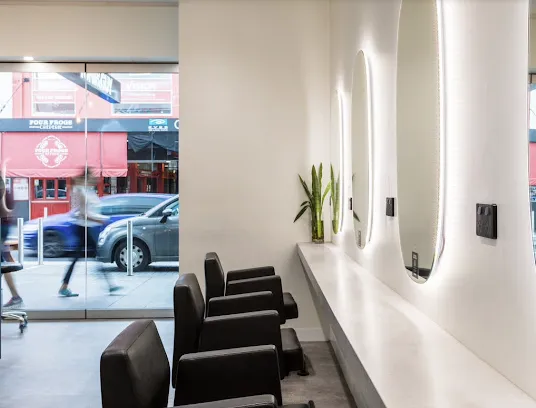
Beauty and Wellness — Salons, Nail Bars, Spas, and Day Spas
Beauty and wellness fitouts often sit at the intersection of building compliance and public health requirements.
Where premises provide skin penetration services — such as tattooing, cosmetic procedures or piercing — operators may be required to notify or register with the local council and comply with NSW public health legislation.
These requirements can influence design decisions from the very beginning.
Retrofitting compliance after an inspection is often significantly more expensive than designing correctly from the outset.
Common Compliance Considerations
Hand-Washing and Hygiene Facilities
Appropriate hand-washing facilities may be required depending on the services offered.
The design of these spaces should consider both public health requirements and operational efficiency.
Waste Disposal and Sterilisation
Businesses undertaking skin penetration procedures may require dedicated waste management and sterilisation processes.
Plumbing and Trade Waste
Nail bars and salons can generate chemical waste that may require trade waste approvals depending on the local authority and services provided.
Early consultation with hydraulic consultants can avoid costly redesigns later.
Ventilation
Mechanical ventilation may be required where chemicals, solvents or treatment products are used to ensure a safe environment for both staff and customers.
Wet Area Certification
Any fitout involving basins, pedicure stations, treatment rooms or showers may require waterproofing certification before occupation.
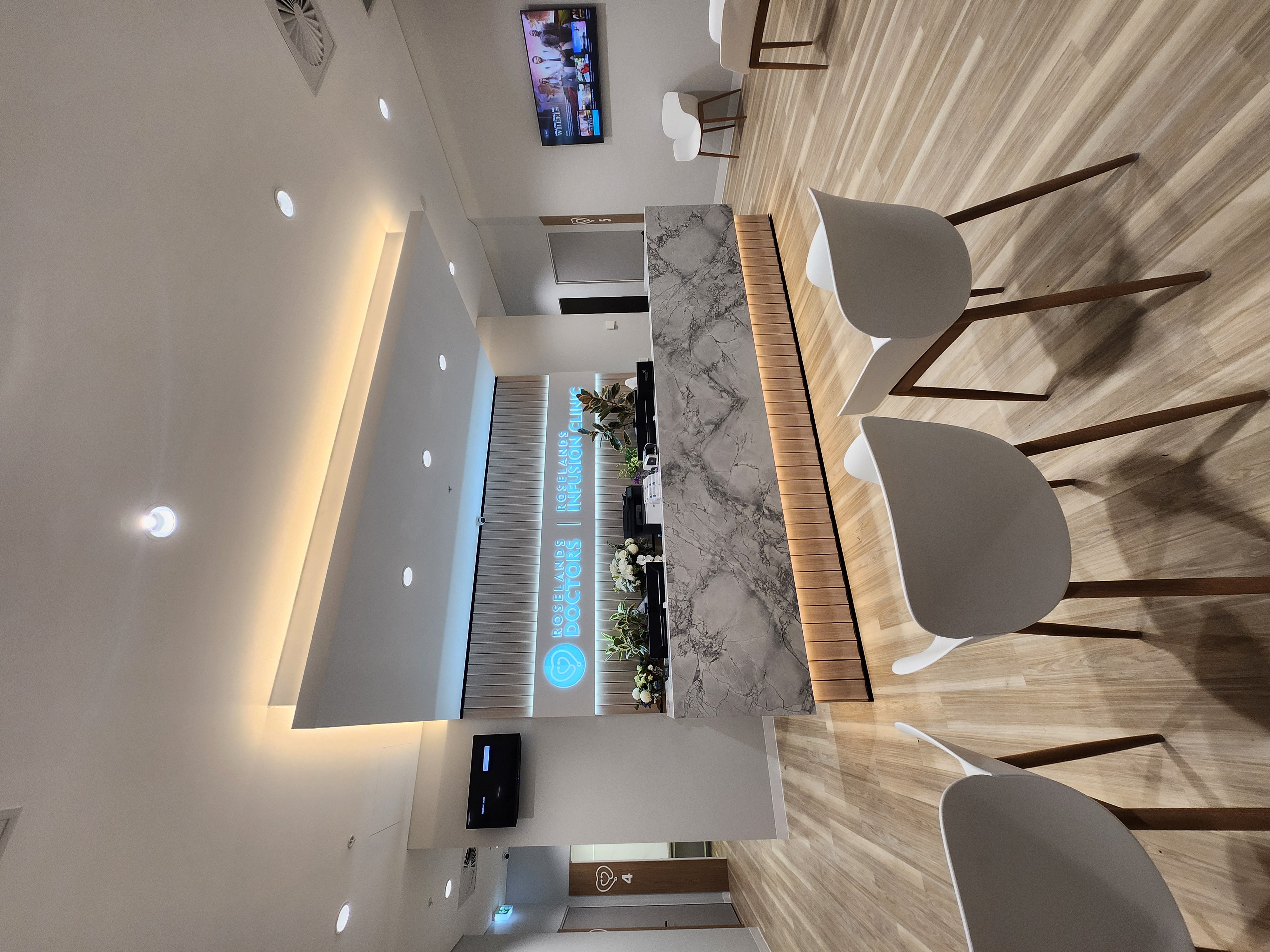
Medical and Health Clinics
Medical fitouts are among the most heavily regulated commercial projects in NSW.
The consequences of non-compliance can extend beyond building approvals and impact patient safety, accreditation and professional obligations.
Importantly, not all healthcare premises fall under the same NCC classification.
Some consulting suites may be classified as Class 5 commercial premises, while hospitals and certain healthcare facilities may be classified as Class 9a.
The correct classification must always be confirmed early in the project.
Common Compliance Considerations
Accessibility
Medical facilities must consider accessibility obligations under the Disability Discrimination Act and Premises Standards.
This may include:
Accessible paths of travel
Reception areas
Treatment rooms
Accessible amenities
Door clearances and circulation spaces
Infection Control
Material selection, finishes and joinery design should support cleaning and infection control protocols where applicable.
Specialist Services
Some medical projects involve:
Medical gases
Specialised electrical installations
Clinical equipment integration
Sterilisation areas
These services often require additional consultants and certifications beyond standard building approvals.
Radiology and Dental Facilities
Where X-ray or radiation-emitting equipment is installed, additional approvals and shielding requirements may apply and should be coordinated early in the design phase.
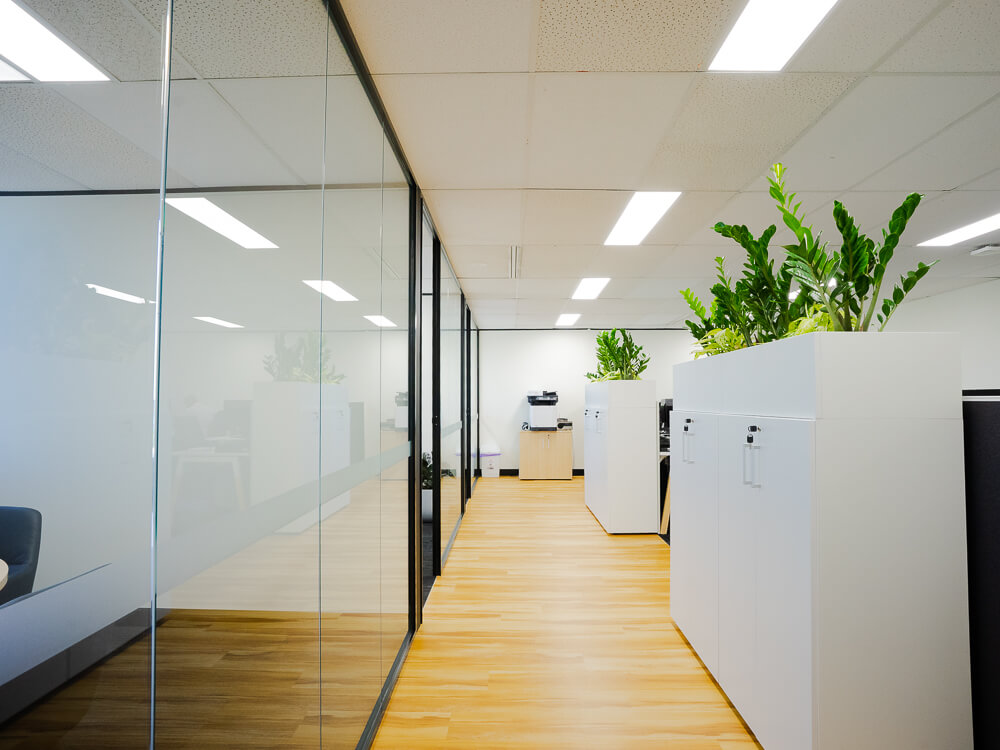
Office Fitouts
Office fitouts are generally among the more straightforward commercial projects, but they still involve important compliance obligations.
As tenancy size increases and services become more complex, so too do approval requirements.
Common Compliance Considerations
Occupant Numbers and Amenities
Occupancy calculations can impact:
Toilet requirements
Egress provisions
Fire safety measures
Fresh air requirements
HVAC and Mechanical Services
Any modifications to heating, ventilation or air-conditioning systems often require engineering design, landlord approval and commissioning.
This is particularly important in multi-tenancy buildings where systems are shared.
Fire Compartmentation
New internal walls that cross fire compartments or penetrate fire-rated construction may trigger additional certification requirements.
Accessibility
Changes to reception areas, circulation spaces and amenities must continue to comply with accessibility requirements under the NCC and Premises Standards.
A compliant office is not just about functionality — it's about creating a safe, accessible and legally compliant workplace for everyone who uses it.
.
What One Built Manages —
So You Don't Have To
At One Built, compliance and approvals management is not an add-on. It is part of how we run every project. Here is what that looks like in practice:
DA and CDC pathway assessment — determining the correct approval route before design begins
Liaising with private certifiers and council on your behalf throughout the approval process
Coordinating engineers, fire engineers, and specialist consultants as required by the project
Managing Construction Certificate applications and conditions
Scheduling inspections at each required stage of construction
Preparing and submitting Occupation Certificate applications
Ensuring all fire safety measures are registered and compliant at handover
Coordinating annual fire safety statement obligations with building owners where required
Our project management process means every approval, certification, and compliance requirement is tracked against the project programme — so nothing is left outstanding on opening day.
The most expensive fitout mistakes in NSW don't happen during construction. They happen when a business owner discovers — after handover — that their certifier wasn't engaged, their OC wasn't issued, or their fire safety measures weren't registered.
One Built ensures none of these are left to chance.
Sydney Councils and Local Approval Considerations
Approval timelines, requirements, and local planning controls vary significantly across Sydney's council areas. One Built operates across the full Sydney metropolitan area and has working knowledge of the requirements and processes across:
City of Sydney Council — inner city, CBD, and surrounds
Sutherland Shire Council — Cronulla, Miranda, Caringbah, and the broader Shire
Bayside Council — Brighton-Le-Sands, Rockdale, Mascot
Waverley Council — Bondi Junction, Bondi, Bronte
Canterbury-Bankstown Council — broader south-west Sydney
Inner West Council — Newtown, Marrickville, Leichhardt
Georges River Council — Hurstville, Kogarah, Blakehurst
Why use a fitout expert?
Local Environmental Plans (LEPs) and Development Control Plans (DCPs) differ across each council area and directly affect what can be approved, under what pathway, and with what conditions. Working with a fitout team that understands these local nuances is not optional — it is the difference between a smooth approval and a protracted back-and-forth with council that delays your opening by months.
Planning a Commercial Fitout in Sydney?
If you're in the early stages of planning a commercial fitout — whether it's your first space or your fifth — the approvals and compliance conversation needs to happen before the design conversation. Not after.
One Built works with business owners across Sydney and the South Sydney corridor to deliver commercial fitouts that are fully compliant, properly certified, and ready to trade from day one.
What some of our clients say...
“I cannot express how delighted we are with the outstanding work provided by One Built for our office fit-out at Sutherland. From start to finish, the entire process was nothing short of exceptional. If you are seeking a professional, creative, and reliable team for your office renovation, look no further! ONE Built Projects truly went above and beyond to understand our vision and requirements. They displayed a remarkable level of expertise and creativity, suggesting innovative ideas that perfectly aligned with our company's culture and needs. Their attention to detail was impeccable, and the final result surpassed all our expectations. We are very pleased with the finished results. Al was always friendly and professional."

We have used One Built now on 3 of our store builds. Al and his team are professional, well priced and bring a high quality of workmanship and project management to every build. I can highly recommend them for any fit out.

Couldn’t be happier with our office fitout. The team was easy to work with, super professional, and really understood what we wanted. They delivered a modern, functional space on time and on budget, with great attention to detail. The whole process was smooth and stress-free. Highly recommend

Have used One Built for a couple of commercial projects now with great results at reasonable prices.

View Some of Our Projects...